Sorbaria Sorbifolia: The Ultimate Guide To Growing This Beautiful Shrub
Sorbaria sorbifolia, also known as the false spiraea, is a beautiful deciduous shrub that is native to Asia. It is known for its large, white flowers that bloom in the summer, and its attractive foliage that turns a brilliant red in the fall. Sorbaria sorbifolia is a relatively easy shrub to grow, and it is a great addition to any garden.
Introduction
Sorbaria sorbifolia is a versatile shrub that can be used in a variety of settings. It is well-suited for borders, hedges, and mass plantings. It can also be grown in containers. Sorbaria sorbifolia is a low-maintenance shrub that is drought-tolerant and pest-resistant.
Main Content
Soil and Sunlight
Sorbaria sorbifolia prefers moist, well-drained soil. It can tolerate a wide range of soil pH levels, but it prefers slightly acidic soil. Sorbaria sorbifolia can grow in full sun or partial shade. However, it will flower more profusely in full sun.
Watering and Fertilizing
Sorbaria sorbifolia is drought-tolerant, but it will benefit from regular watering during the summer months. Fertilize your Sorbaria sorbifolia in the spring with a balanced fertilizer.
Pruning
Sorbaria sorbifolia does not require a lot of pruning. However, you may want to remove any dead or damaged branches in the spring. You can also prune your Sorbaria sorbifolia to keep it in shape.
Winter Care
Sorbaria sorbifolia is hardy in USDA zones 4-8. In colder climates, you may need to protect your Sorbaria sorbifolia from winter winds. You can do this by wrapping the shrub in burlap or by planting it in a sheltered location.
Propagation
Sorbaria sorbifolia can be propagated by seed, division, or cuttings. Seed propagation is the most difficult method. Division and cuttings are the most successful methods.
Problems
Sorbaria sorbifolia is a relatively problem-free shrub. However, it can be susceptible to aphids and spider mites. You can control these pests with insecticidal soap or neem oil.
Conclusion
Sorbaria sorbifolia is a beautiful and easy-to-grow shrub that is a great addition to any garden. It is drought-tolerant, pest-resistant, and can be grown in a variety of settings. If you are looking for a versatile and low-maintenance shrub, Sorbaria sorbifolia is a great option.
Sorbaria sorbifolia is a beautiful and versatile shrub that can be used in a variety of landscape settings. It is known for its delicate white flowers, which bloom in early summer. The leaves are also attractive, turning a brilliant red in the fall.
If you are interested in learning more about Sorbaria sorbifolia, please visit Home Gardening. This website provides comprehensive information about the plant, including its care requirements, planting instructions, and pest and disease control.
FAQ of sorbaria sorbifolia
- What is Sorbaria sorbifolia?
Sorbaria sorbifolia, commonly known as false spiraea, is a deciduous shrub native to Asia. It is known for its white or pink flowers, which bloom in early summer. Sorbaria sorbifolia is a versatile plant that can be used in a variety of landscape settings, including borders, mass plantings, screens, and specimen plantings.
- What are the uses of Sorbaria sorbifolia?
Sorbaria sorbifolia has a number of uses, including:
Landscape use: Sorbaria sorbifolia is a versatile plant that can be used in a variety of landscape settings. It is often used in borders, mass plantings, screens, and specimen plantings.
Erosion control: Sorbaria sorbifolia is a good choice for erosion control. Its roots help to stabilize the soil and prevent erosion.
Bees and butterflies: Sorbaria sorbifolia is a good plant for attracting bees and butterflies. Its flowers provide nectar and pollen for these pollinators.
Food: The young leaves of Sorbaria sorbifolia can be eaten raw or cooked. They have a sour taste, similar to rhubarb.
How do you propagate Sorbaria sorbifolia?
Sorbaria sorbifolia can be propagated by:
Semi-hardwood cuttings: Semi-hardwood cuttings are taken in the middle of summer. The cuttings should be about 4-6 inches long and have at least 3 nodes.
Seed: Seed can be sown in containers within a cold frame during the autumn.
Rooted suckers: Rooted suckers can be transplanted in winter or in autumn.
What are the care requirements for Sorbaria sorbifolia?
Sorbaria sorbifolia is a relatively easy plant to care for. It prefers full sun to partial shade and well-drained soil. Sorbaria sorbifolia is drought tolerant once established. It should be pruned in late winter or early spring to remove dead or damaged branches.
Image of sorbaria sorbifolia
- Sorbaria sorbifolia in full bloom. This image shows the plant in its full glory, with its white flowers cascading down the branches.

- Close-up of Sorbaria sorbifolia flowers. This image shows the individual flowers in more detail, revealing their delicate petals and stamens.
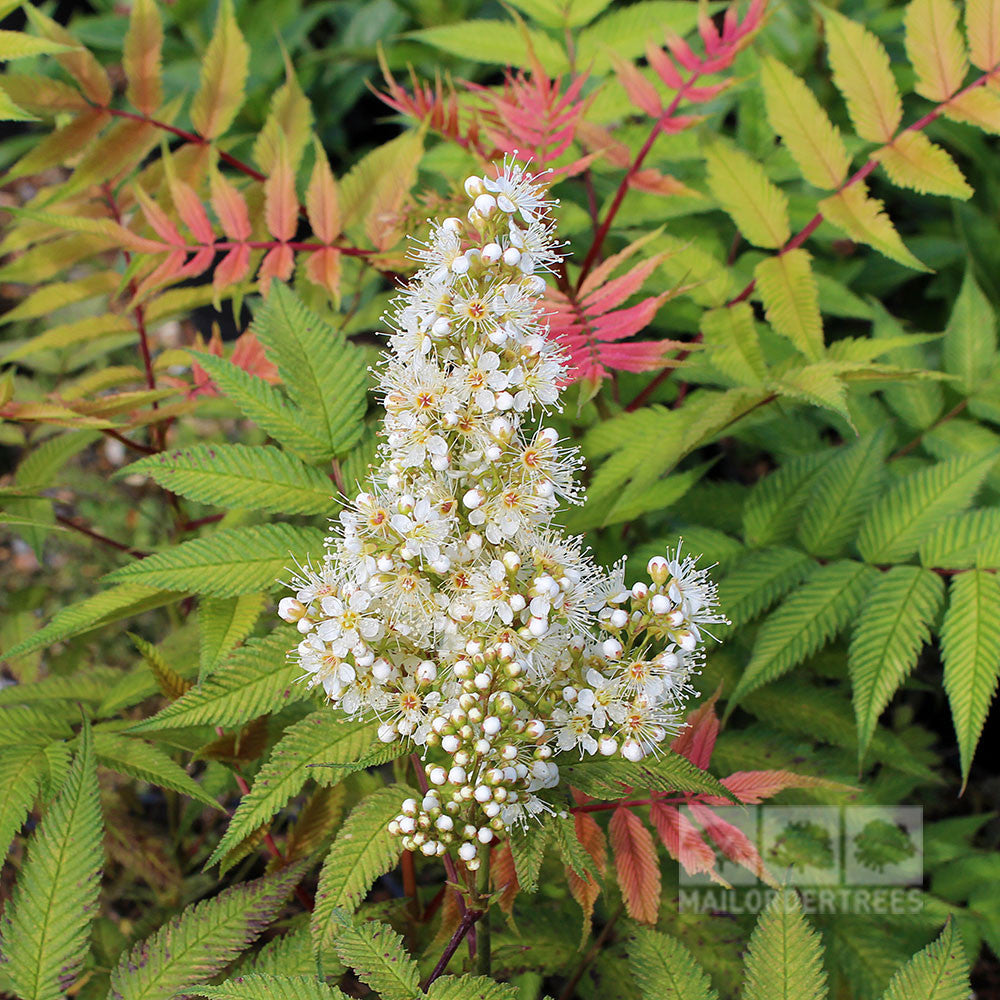
- Sorbaria sorbifolia leaves. This image shows the plant's leaves, which are a deep green color and have a serrated edge.

- Sorbaria sorbifolia in fall. This image shows the plant in fall, when its leaves turn a brilliant yellow color.
- Sorbaria sorbifolia in winter. This image shows the plant in winter, when its leaves have fallen off and the branches are bare.
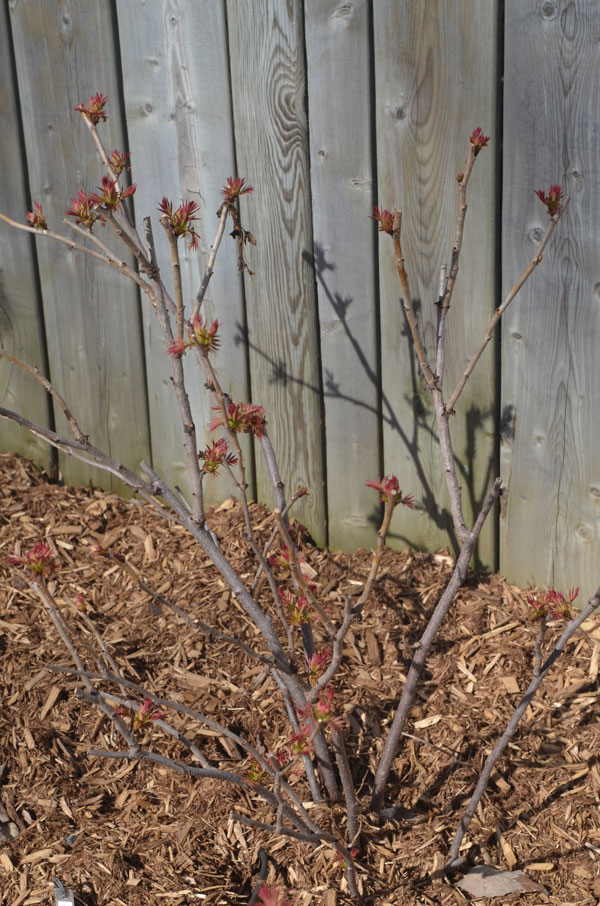
- Sorbaria sorbifolia as a hedge. This image shows how Sorbaria sorbifolia can be used as a hedge.
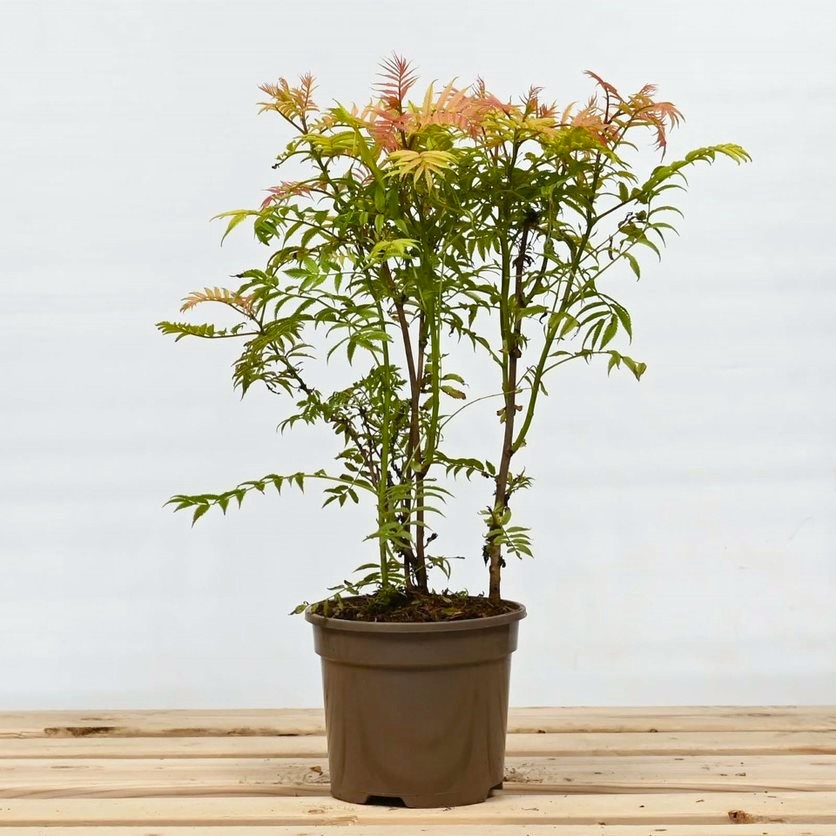
- Sorbaria sorbifolia as a specimen plant. This image shows how Sorbaria sorbifolia can be used as a specimen plant, standing out in a garden or landscape.
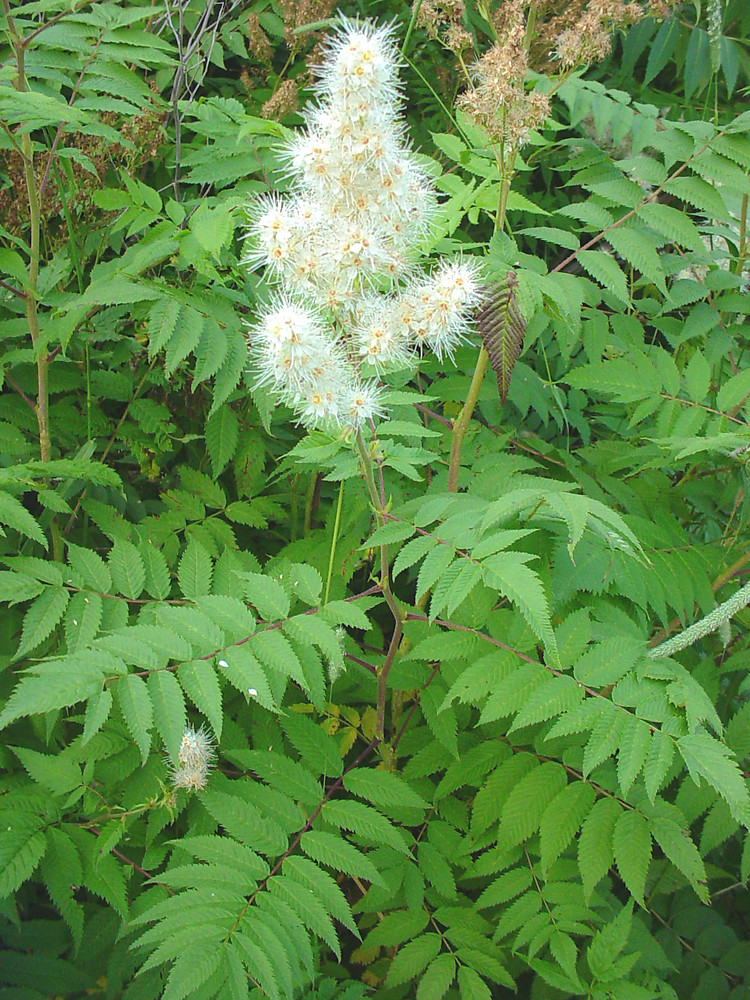
- Sorbaria sorbifolia in a woodland garden. This image shows how Sorbaria sorbifolia can be used in a woodland garden, where it will thrive in the shade.
- Sorbaria sorbifolia in a border. This image shows how Sorbaria sorbifolia can be used in a border, where it will add height and interest.
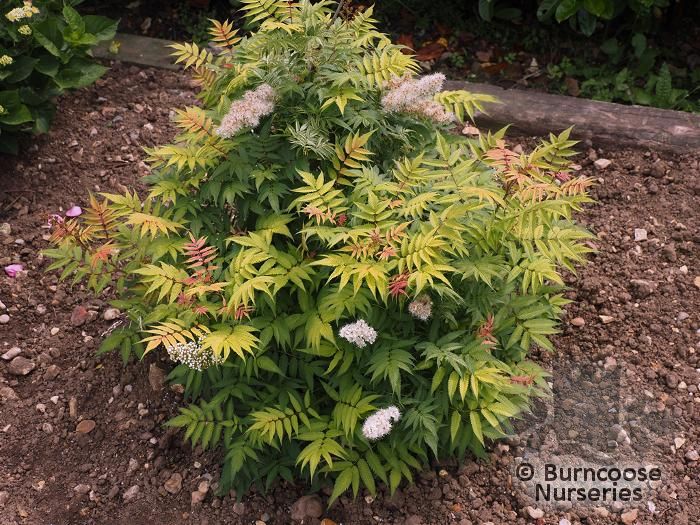
- Sorbaria sorbifolia in a mass planting. This image shows how Sorbaria sorbifolia can be used in a mass planting, where it will create a stunning display.


Post a Comment for "Sorbaria Sorbifolia: The Ultimate Guide To Growing This Beautiful Shrub"